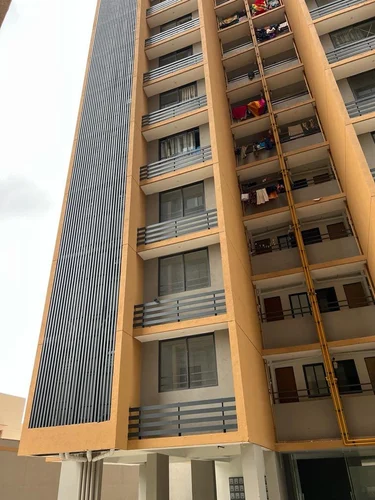
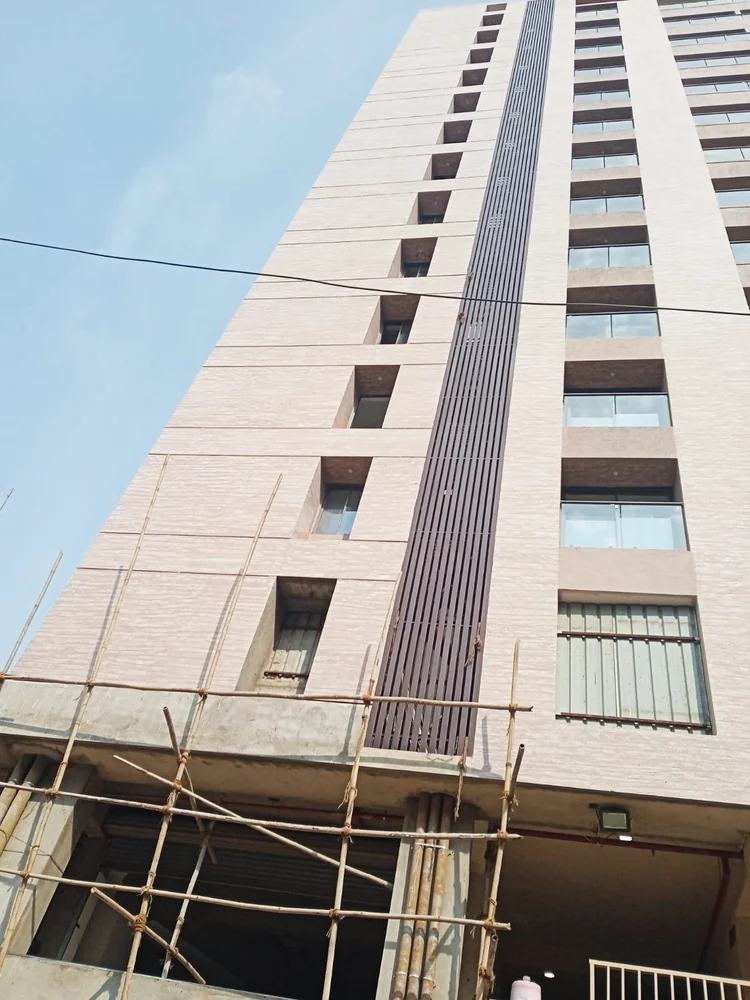
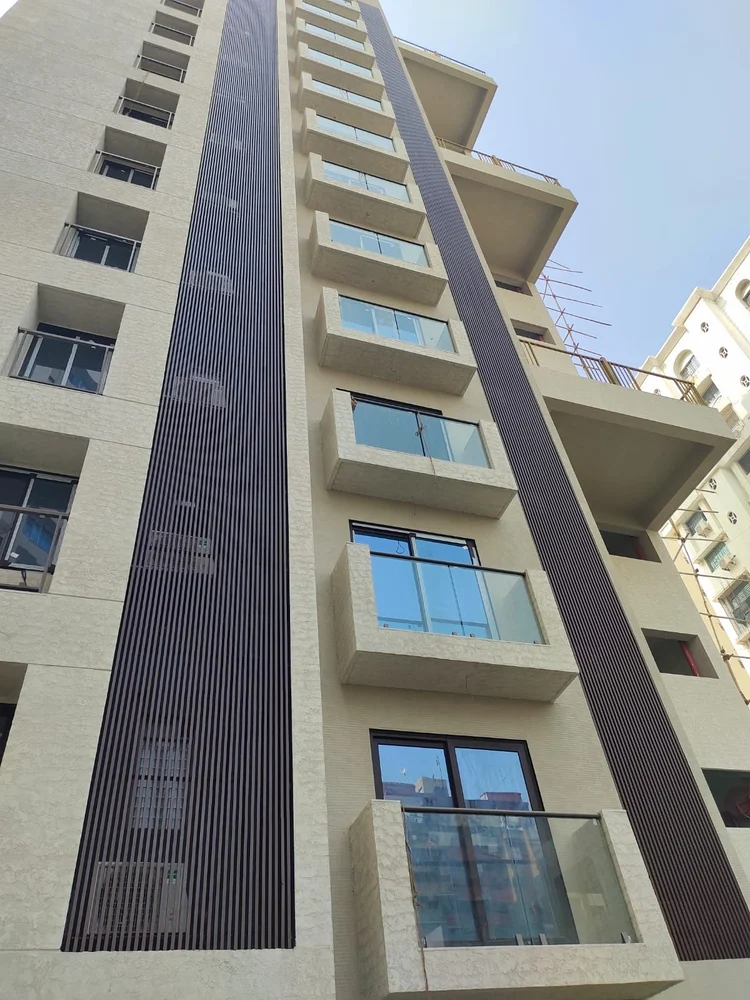
Description
Product Details
| Specification | Details |
| Material | GI |
| Panel Width | 25 mm |
| Size | 36 inch |
| Metal Type | GI |
| Sheet Thickness | 0.5 mm |
| Louver Type | Hinged |
| Panel Thickness | U shape Panel |
| Profile Type | Plain |
| Panel Type | U shape Panel |
| Usage/Application | Sound Absorbers |
| Surface Treatment | Coated |
| Driven Type | no |
| Surface Finish | Powder Coated |
| Is It Adjustable | no |
| surface treatment | polished |
| Country of Origin | Made in India |
| Brand | Vindsil |
| Minimum order quantity | 2500 sq ft |
Common Uses
Privacy
Louvers can provide visual barriers, preventing outsiders from seeing into windows or interiors.
Sun Shading
By adjusting the angle of the slats, louvers can reduce glare and solar heat gain.
Aesthetic Design
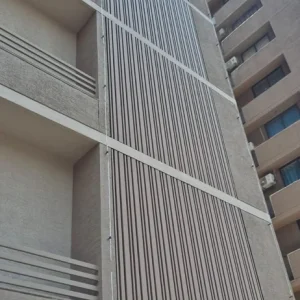
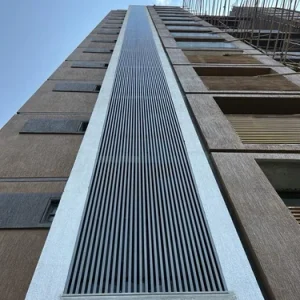
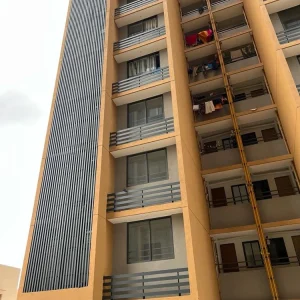
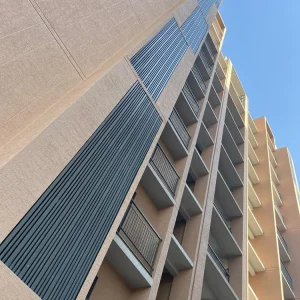
Many modern buildings use louvers as a design element, with sleek, contemporary lines or even artistic patterns.
Materials
Aluminum
A popular choice due to its durability, lightweight nature, and resistance to corrosion.
Stainless Steel
Provides an industrial look and great durability but can be heavier and more expensive.
Plastic
A more affordable option, though it may not be as durable or aesthetically pleasing in high-end designs.
Benefits
Energy Efficiency
By regulating the amount of light and heat entering a building, louvers can help reduce cooling and heating costs.
Protection
They protect against weather conditions like rain or excessive sunlight without blocking airflow.
Aesthetics
Louvers can enhance the building’s exterior and give it a modern or stylish look.