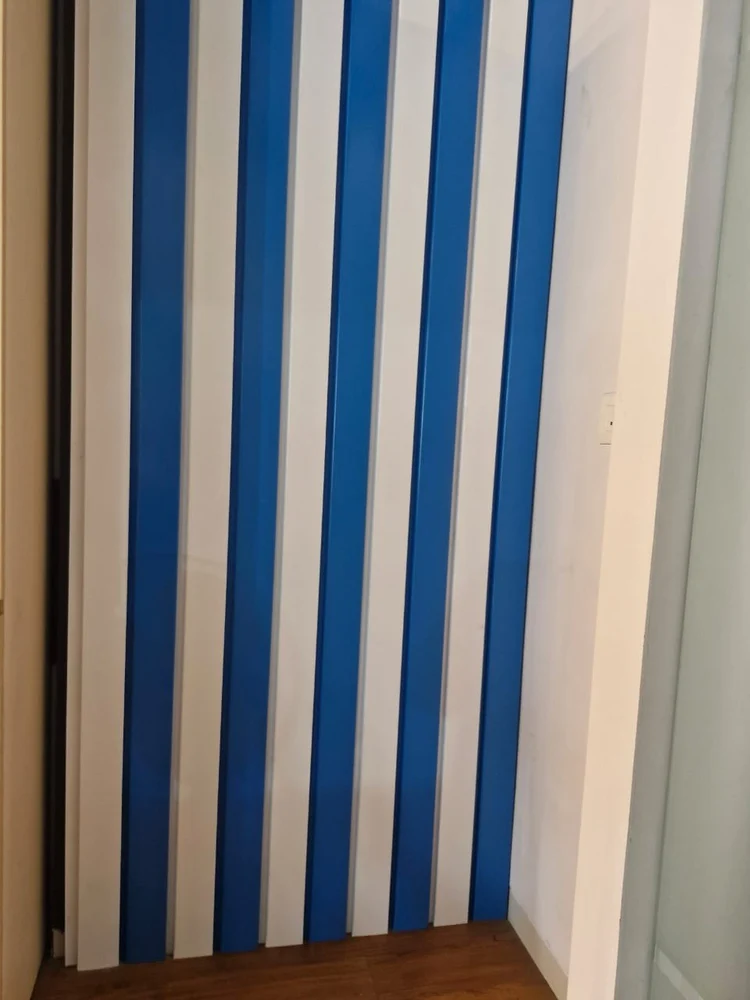
Description
Product Details
| Specification | Details |
| Metal Type | Aluminium |
| Sheet Thickness | 0.5 mm |
| Profile Type | Plain |
| Usage/Application | House |
| Material | Steel |
| Design/Pattern | U SHAPE |
| Thickness | 0.5/0.65 |
| Built Type | Panel Build, Modular, Prefab |
| Country of Origin | Made in India |
| Corrosion Resistance | yes |
| Fire Resistance | yes |
| Brand | Vindsil |
| Minimum order quantity | 10000 sq ft |
Vertical Metal Cladding
Appearance
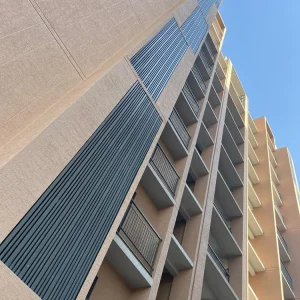
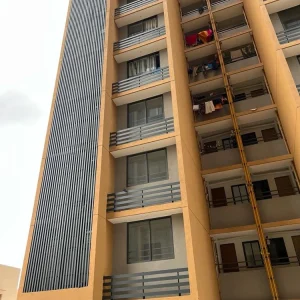
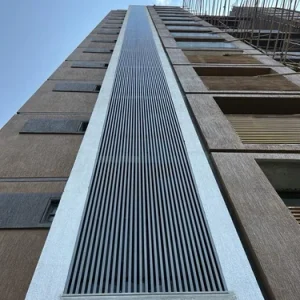
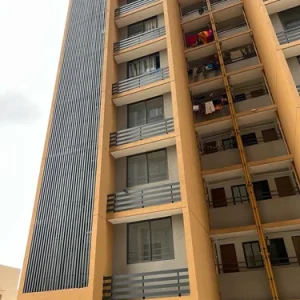
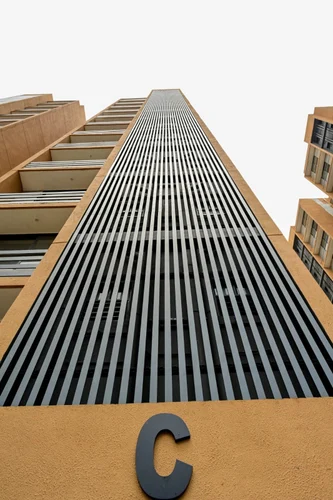
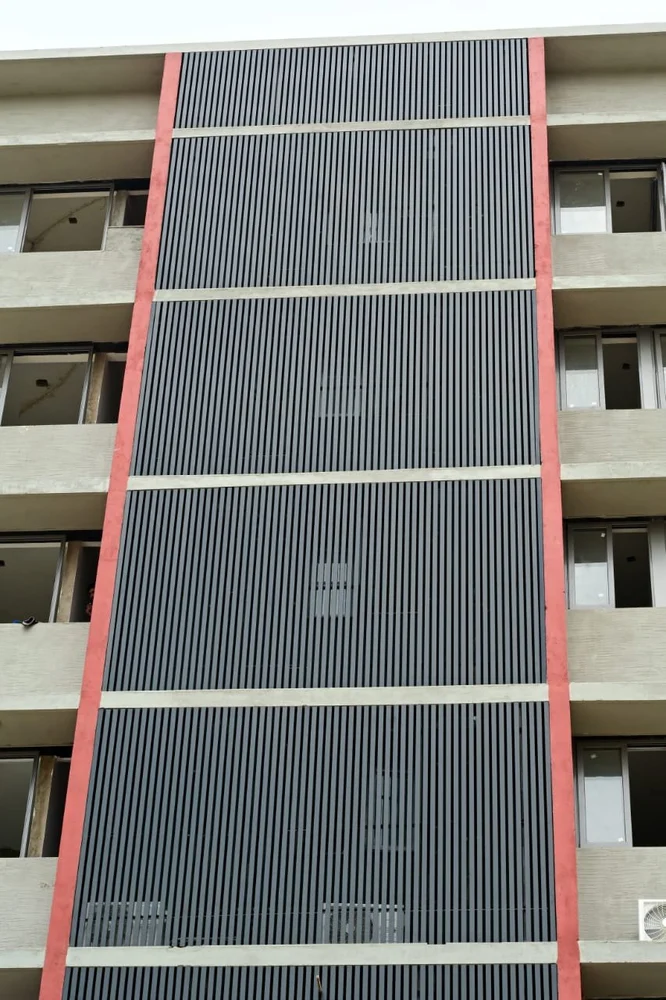
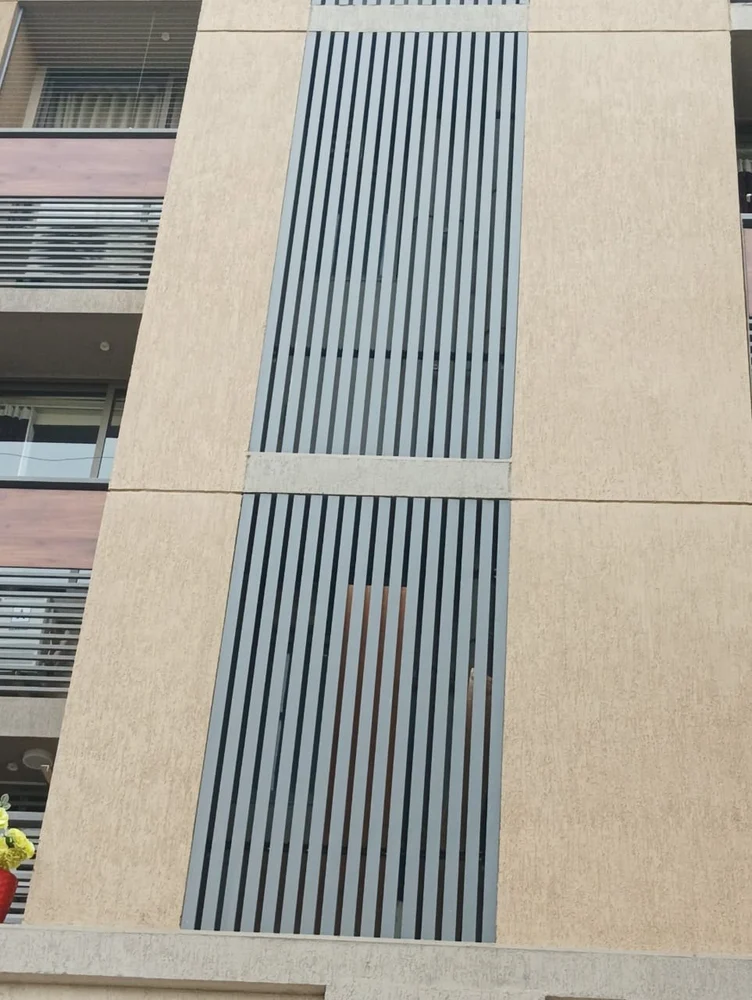
Vertical cladding uses vertical metal panels that extend upward along the building. This can emphasize the height of a structure and is often used to create a more dynamic, modern look.
Materials
Similar to horizontal cladding, vertical metal cladding can be made from a variety of metals, including aluminum, steel, and more.
Installation
Vertical panels are typically installed from top to bottom with overlapping edges or joints to prevent water ingress. Vertical lines create an impression of height and can be used creatively to alter the perception of a building’s proportions.
Benefits
Emphasizes verticality, making buildings appear taller.
Adds a sense of sophistication or modernity to the design.
Often used in residential, commercial, and mixed-use buildings for a striking visual effect.
Key Differences
Aesthetic Impact
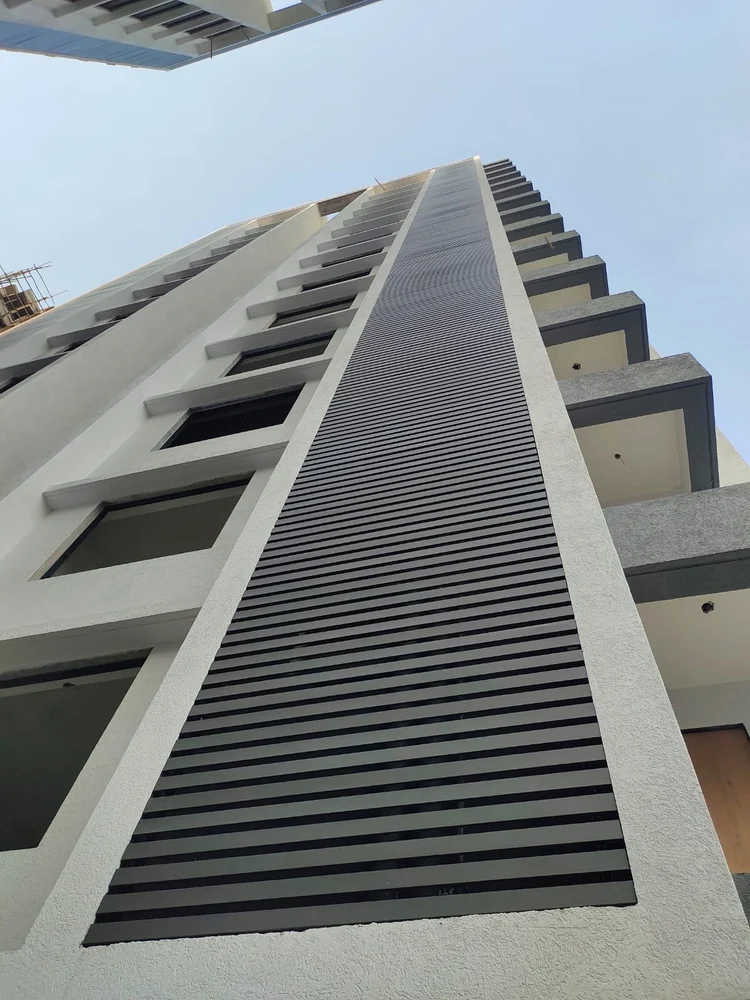
Horizontal cladding is typically used to create a sense of width, while vertical cladding enhances the height and vertical lines of the structure.
Visual Balance
The orientation of the panels can influence the overall visual balance of a building. Horizontal lines can soften the building’s appearance, while vertical lines often give a more dramatic, tall effect.
Suitability
Horizontal cladding is well-suited for single-story buildings, low-rise structures, or when you want to broaden the visual appearance. Vertical cladding is often used for multi-story buildings or when you wish to emphasize height.
Key Differences
Aesthetic Impact
Horizontal cladding is typically used to create a sense of width, while vertical cladding enhances the height and vertical lines of the structure.
Visual Balance
The orientation of the panels can influence the overall visual balance of a building. Horizontal lines can soften the building’s appearance, while vertical lines often give a more dramatic, tall effect.
Suitability
Horizontal cladding is well-suited for single-story buildings, low-rise structures, or when you want to broaden the visual appearance. Vertical cladding is often used for multi-story buildings or when you wish to emphasize height.
Material Choices
Aluminum
Lightweight, corrosion-resistant, and available in a wide range of finishes.
Steel
Often used for industrial or modern-style buildings, especially when coated for additional protection.
Copper
Adds a distinct aesthetic, changing color over time as it develops a patina.
Zinc
Known for its durability and unique texture that evolves as it weathers.
Both options—horizontal and vertical metal cladding—can be used creatively in design to achieve unique architectural results, depending on the vision for the building’s style and functionality.